

Mauritius – diverse & authentic
Your Mauritius round trip from the tranquil southwest to the wild east coast
Your Mauritius round trip from the tranquil southwest to the wild east coast
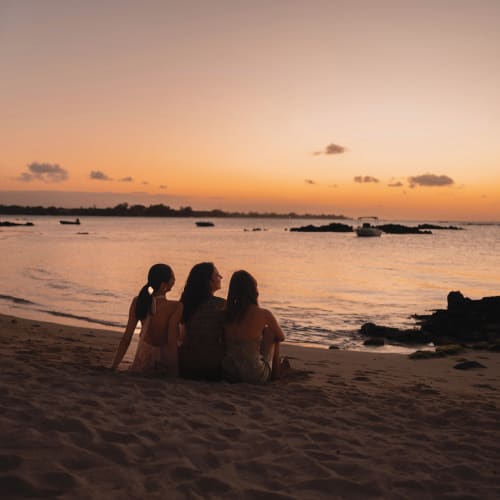
On this Mauritius round trip, you will get to know an island that is much more than its beaches. In twelve days, you will travel from the quiet southwest near Bel Ombre to the green highlands of Chamarel, further to the vibrant north around Grand Baie, and finally to the expansive east coast at Belle Mare. Each stop shows a different face of Mauritius : waterfalls and rainforests in the interior, markets and harbor life in the north, fishing villages and long sandy beaches in the east.
Before almost every trip to Mauritius, the same question arises: Which coast is the most beautiful? On this route, you do not have to make a choice. In the southern winter between May and September, a fresh trade wind blows on the south and east coast, while the north and west are more sheltered – this way, you can experience both sides of the island and find out which suits you best. We will individually coordinate the order, duration of stay, and accommodations for you; those who have more time can connect Mauritius with the neighboring island La Réunion .
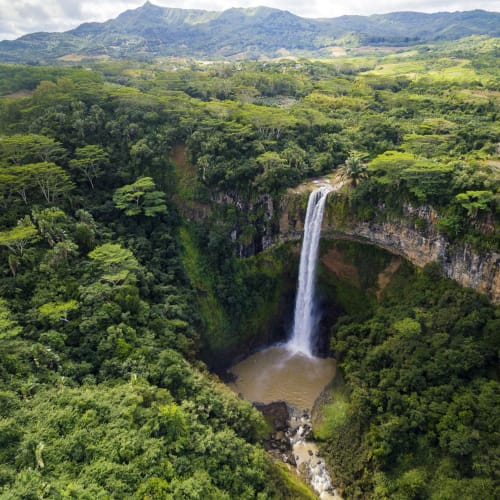
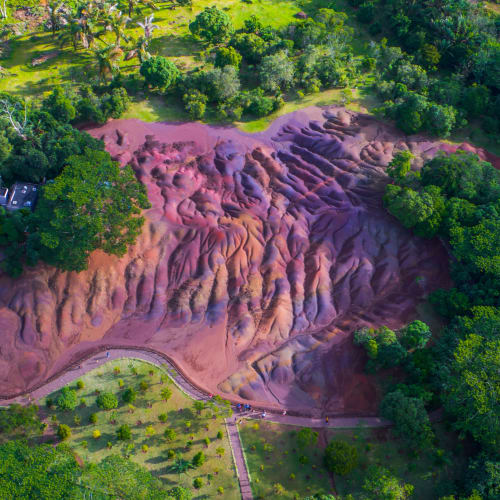
- Chamarel: Waterfall, Seven Colored Earth and rainforest in the green highlands
- Le Morne Brabant in the southwest – UNESCO World Heritage and landmark of the island
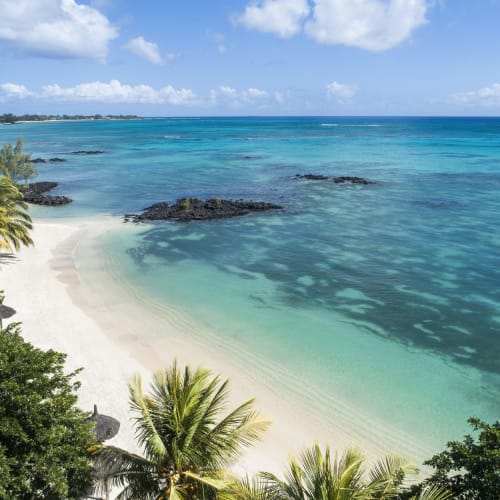
- Long sandy beaches and fishing villages on the less developed east coast
Price
on request
Best time to travel
May to November
Flight time
12h from Frankfurt a. M.
Recommended Duration
from 12 days


We plan your trip individually for you
This is what your 12 day round trip could look like
Itinerary
Untouched southwest
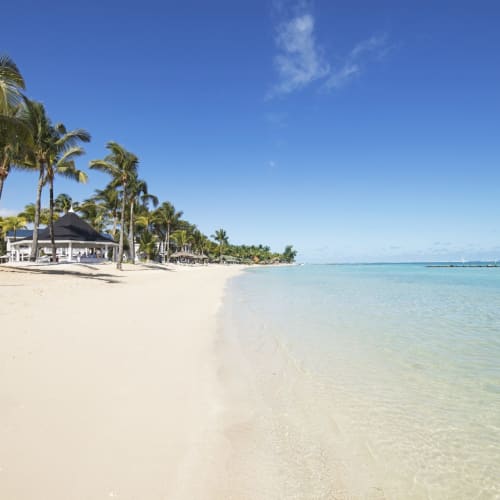
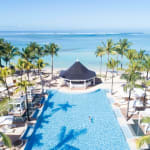
Your Mauritius round trip begins in the tranquil southwest around Bel Ombre, where green hills stretch almost to the lagoon and the pace is noticeably slower than in the north. Instead of promenades, the hills of the former sugar estate Bel Ombre and long, quiet stretches of sand shape the picture. Here you can arrive peacefully after a long flight – with a walk by the water, a round of golf, or the first swim in the Indian Ocean. From here, Le Morne Brabant is also easily accessible: the prominent rocky mountain at the southwestern tip once provided refuge for escaped slaves and has been a UNESCO World Heritage site since 2008.
Green highlands
In the green heart of the southwest lies Chamarel, a small village between dense forest and the slopes near the Black River Gorges National Park. Very close by, the Chamarel waterfall plunges about 95 meters over a vertical rock wall, and just a few kilometers away, the Seven Colored Earth shimmers: volcanic earth hills that glow in red, brown, and violet tones depending on the position of the sun. Those who wish can visit the local rum distillery and taste rum made from local sugarcane. The highlands are a place of tranquility and at the same time a window into the volcanic history of Mauritius.
Vibrant north
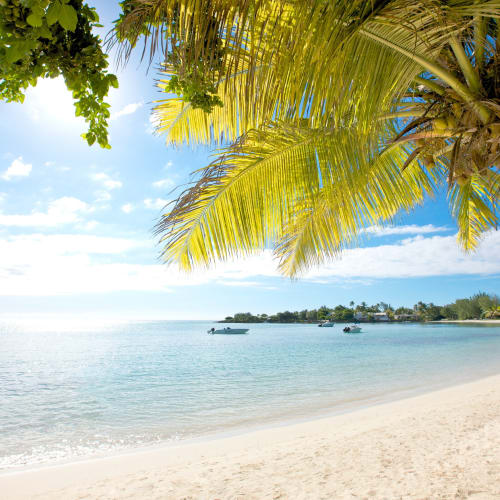
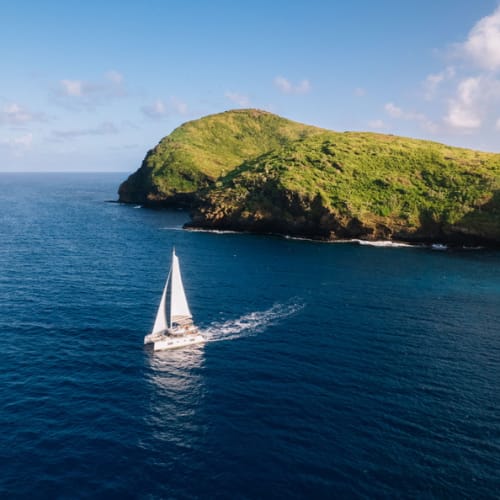
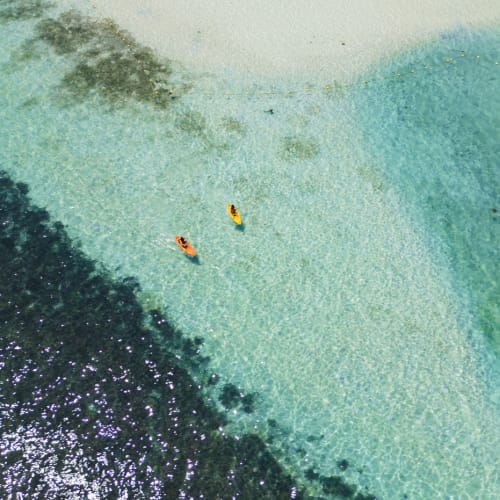
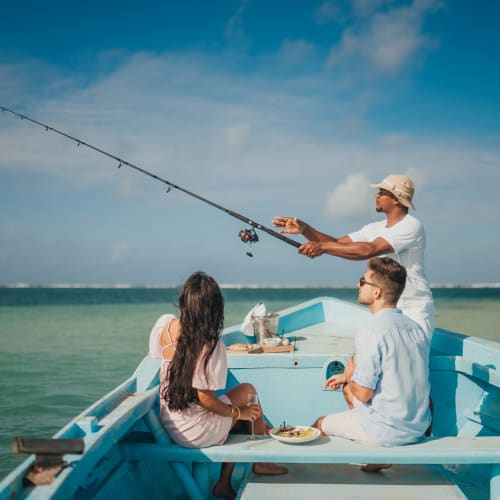
In the north, Mauritius shows its sociable side. On the way there, a stop in the capital Port Louis is worthwhile – in the hustle and bustle of the central market amid spices, fruits, and street food, and at Aapravasi Ghat, the UNESCO World Heritage site at the harbor, which remembers the indentured laborers who came largely from India in the 19th century. In Grand Baie itself, colorful markets, the diversity of Mauritian cuisine, and the clear blue of the bay come together. Because the north is more sheltered than the south and east coast in the southern winter, the water here is often particularly calm – ideal for swimming, sailing, and boat trips to the offshore islands.

Wild east coast
The east, the most original and least developed coast of the island, rounds off the trip. At Belle Mare, a sandy beach about ten kilometers long, lined with casuarina trees, stretches along the lagoon, and often you will share it with only a few others. The trade wind blows here stronger than in the rest of the island: in the southern summer, it brings pleasant cooling, while in winter it offers fresh breezes for sailors and windsurfers. Boats set off from the fishing village Trou d'Eau Douce to Île aux Cerfs, and in the small villages, you will encounter the daily life of the islanders – honest, direct, and with a quiet strength that remains.
With a large portion of island feeling in your luggage, you then embark on your journey home.
My heart beats for creating unforgettable journeys that reflect the personal taste of each customer and make their travel experience something very special.

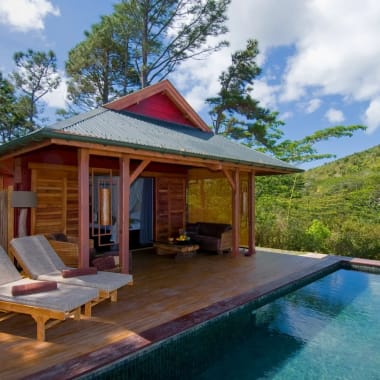
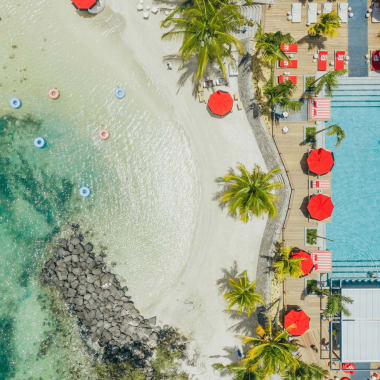
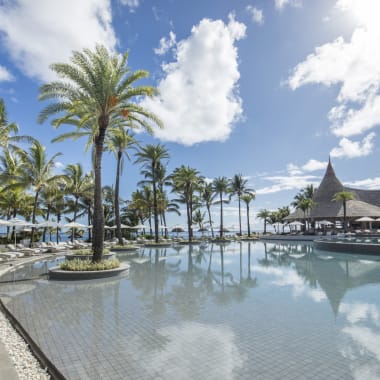
The accommodations

What makes us special
With us you always come first!
Contact person

Head of Oman/ Travel Designer


You might also like this

La Réunion & Mauritius
La Réunion & Mauritius – Adventure meets tropical ease
- Two contrasting island worlds united in one journey
- Maximum flexibility
- Volcanoes, waterfalls, and spectacular nature
from 14 days
on request
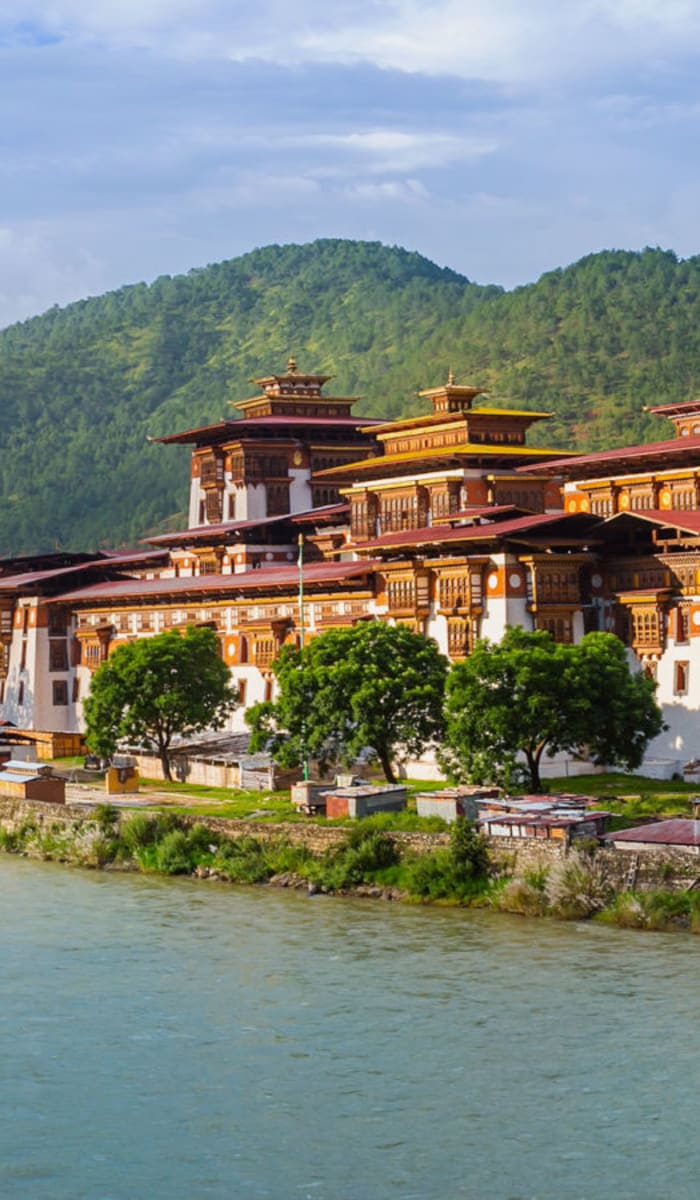
Bhutan
Bhutan intensive: Discover three valleys
- Experience Himalayan panoramas
- Discover Punakha Dzong
- Hike to Tiger's Nest Monastery
from 8 days
from €6,650